Handle Electrical Projects With a Waived Diagnostic Fee
Get Trusted Backup Generator Installation in Dallas, NC, and Surrounding Communities
A utility outage can shut down lighting, refrigeration, HVAC equipment, outlets, and other electrical systems your household depends on. When severe weather or grid problems interrupt service, waiting for utility power to return can become more disruptive as an outage continues. Temporary solutions may keep a few devices operating, but they may not provide the coverage homeowners in Dallas, NC, want for essential systems throughout the property. Backup equipment also needs to be connected correctly to the home’s electrical system so power can be transferred and distributed as intended. Professional backup generator installation gives homeowners a practical way to prepare their electrical system for unexpected power interruptions.
At Daggerhart Electrical, we help homeowners plan backup power around their property and electrical needs. We evaluate the electrical panel, generator requirements, transfer equipment, and systems the homeowner wants to support before completing electrical connections. The work can include transfer switch installation, panel integration, generator electrical connections, replacement work, and an electrical inspection based on the project. If the existing electrical setup requires changes before generator integration, we explain those needs and the appropriate next steps before proceeding. Contact us today to discuss your backup power goals and prepare your home for the next utility outage.
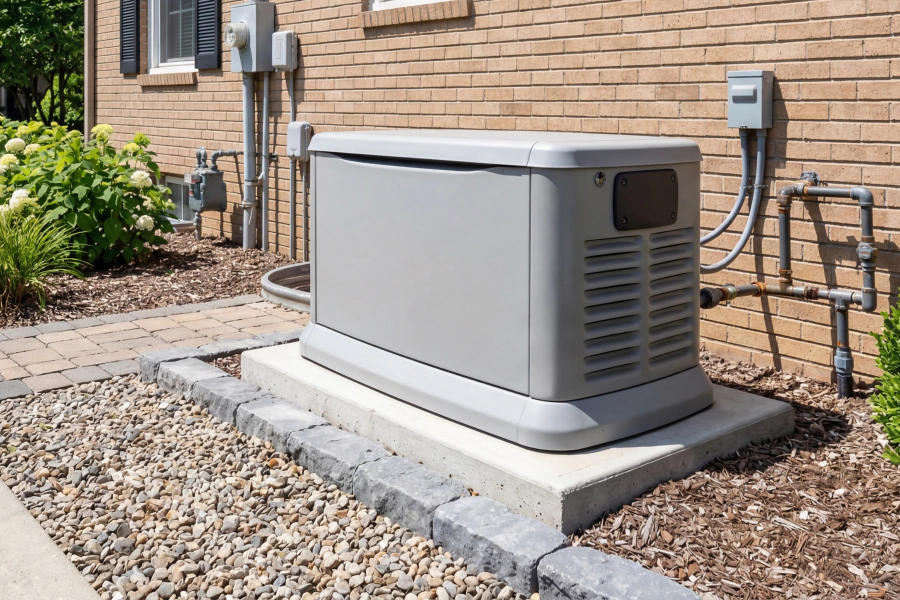
Keep Essential Home Systems Ready During Outages
A residential generator needs to work with the electrical system serving the home, which makes careful planning an important part of generator installation service. We review the existing electrical setup and the proposed backup equipment before making connections. This helps determine how the generator will integrate with the panel and how power will transfer when normal utility service is interrupted.
For homeowners seeking broader coverage, whole-home generator installation can help support selected household systems during an outage based on the equipment and electrical configuration. Standby generator installation may also provide automatic operation when properly configured with compatible transfer equipment. We focus on the electrical side of the installation so each connection fits the home’s system and the selected equipment.
- Whole-Home Backup Power: A home generator installation can provide backup electricity for selected household systems during utility interruptions, with the setup planned around generator capacity and the home’s electrical configuration.
- Transfer Switch Installation: Transfer equipment controls how the home changes between utility and generator power, so we install the electrical connections required for the selected generator and transfer switch configuration.
- Panel Integration: We connect compatible backup equipment with the home’s electrical distribution system while considering panel configuration, available equipment, and the circuits intended to receive backup power.
- Generator Connections: We complete the electrical connections required between compatible generator equipment, transfer components, and the home’s electrical system according to the planned backup power setup.
- Generator Replacement: When existing backup equipment needs replacement, we evaluate the electrical connections and related components to determine what work is required for the new generator setup.
- Electrical Inspection: We inspect relevant electrical components as part of the project to help identify conditions that should be addressed before or during generator installation.
Prepare Your Home Before the Next Power Interruption
Backup power planning starts with deciding which parts of your home you want to keep operating when utility electricity is unavailable. Refrigeration, HVAC equipment, lighting, and other household systems can have different electrical demands, so the selected generator and electrical configuration need to account for the intended load. We review the existing setup and explain how the generator, transfer equipment, and electrical panel will work together. If the project requires changes to the home’s electrical distribution equipment before the generator can be integrated, we can discuss those needs as part of the planning process. Taking these factors into account before installation helps create a backup power setup suited to the property rather than treating every home the same way.
Daggerhart Electrical provides owner-operated residential electrical work centered on direct communication and practical recommendations. Homeowners work with the electrician handling their project from the initial evaluation through the electrical connections and final inspection. We focus on the work required for the selected backup equipment without turning the project into an opportunity to push unrelated additions. Whether you are preparing for severe weather, replacing existing equipment, or adding residential backup power for the first time, we can help determine how the system should connect with your home’s electrical setup. Contact us to discuss the systems you want to support and the electrical work required to prepare them for an outage. Daggerhart Electrical is a trustworthy choice for backup generator installation needs in Dallas, NC.
Frequently Asked Questions About Backup Generator Installation
What does a home backup generator installation include?
The electrical scope can include generator connections, transfer switch installation, electrical panel integration, related electrical work, and inspection. The exact project depends on the selected generator, the existing electrical system, and which household systems are intended to receive backup power.
What is the purpose of a transfer switch?
A transfer switch manages the connection between utility power and the generator setup. It allows the electrical system to transfer to the backup source according to the equipment configuration, making it an important part of a properly planned residential generator installation.
Can a standby generator restore power automatically?
A properly installed standby generator can be configured to restore backup power automatically during an outage when used with compatible transfer equipment. The specific operation depends on the generator, transfer system, electrical configuration, and installation requirements.
Will my electrical panel need changes before installing a generator?
That depends on the existing panel, generator setup, transfer equipment, and circuits intended for backup power. We evaluate the electrical system before completing the connections and explain if panel-related work needs to be addressed as part of the project.
Can a backup generator power my entire home?
The amount of the home that can receive backup power depends on generator capacity, household electrical demand, and the planned system configuration. We discuss which systems you want to support so the electrical setup can be planned around those priorities and the selected equipment.
Get Backup Power Ready for Outage Season
Prepare essential home systems with properly connected generator equipment.